City breaks, mountain scenery and long-distance journeys.
Canada offers very different holidays in its eastern cities, Rocky Mountains and Pacific coast. Toronto and Montréal suit urban breaks, while rail journeys and self-drive routes can cover much larger distances. A coast-to-coast itinerary needs enough time to enjoy the stops as well as the journey.
Canada at a glance
Flight time
Around 7–10 hours to major eastern or western gateways; approximate UK journey, check your route.
Currency
Canadian dollar (CAD)
Best for
Toronto and Montréal
Highlights
Toronto and Montréal, Canadian Rockies, Pacific coast
Language
English, French
Voltage and plugs
120V · Type A/B
Airports you can fly into
YYZ
Toronto Pearson International Airport
A gateway to consider
A major gateway for Toronto and Ontario. Montréal and western Canadian touring routes may use different airports.
Confirm the airport on your flight booking
Check whether hotel or port transfers are included
Photo by Dennis G. Jarvis on Wikimedia Commons, CC BY-SA 2.0 (https://commons.wikimedia.org/wiki/File:Lighthouse_DSC01066_-_Peggy%27s_Cove_Lighthouse_%287612052968%29.jpg)
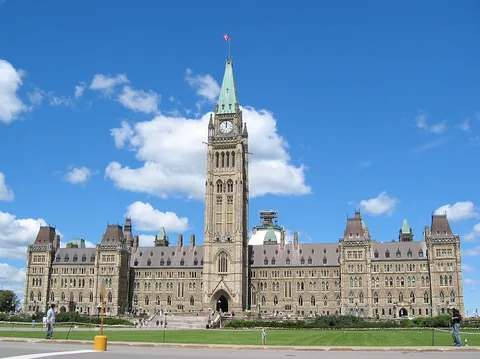
Photo by Arctic.gnome on Wikimedia Commons, CC BY 2.5 (https://commons.wikimedia.org/wiki/File:Parliament-Ottawa.jpg)
Make the holiday your own
Check where your accommodation sits in relation to the city. Brossard and Boucherville are separate communities near Montréal, so transport arrangements matter. For mountain trips, compare the towns used as overnight bases.
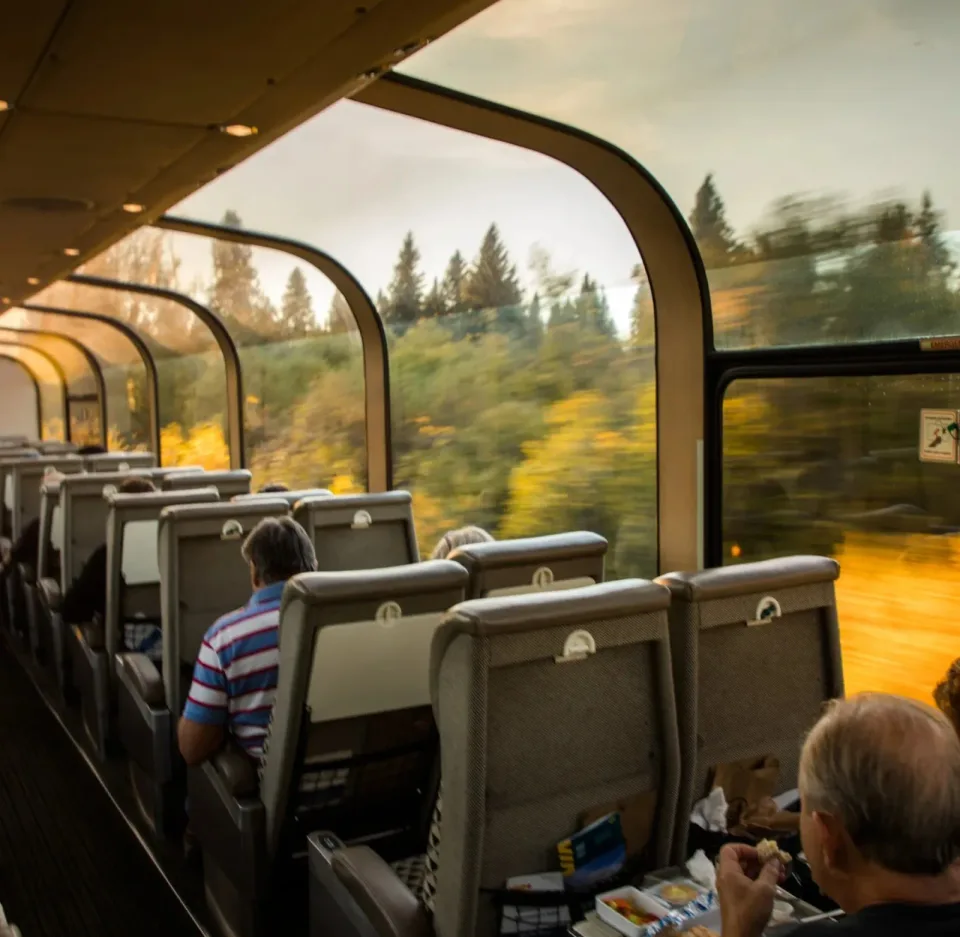
Rail tours differ in train services, seating, overnight accommodation and transfers. Some scenic trains operate seasonally and travel only in daylight. Confirm each included section and any nights spent in hotels rather than on board.
Winter and summer offer very different experiences, with road and trail conditions changing by region. Check entry requirements for the way you arrive, and allow generous connection time after transatlantic flights.
Holiday interests
Adventure
Families
Multi Generation
Luxury
Wildlife
Skiing
Get to know Canada
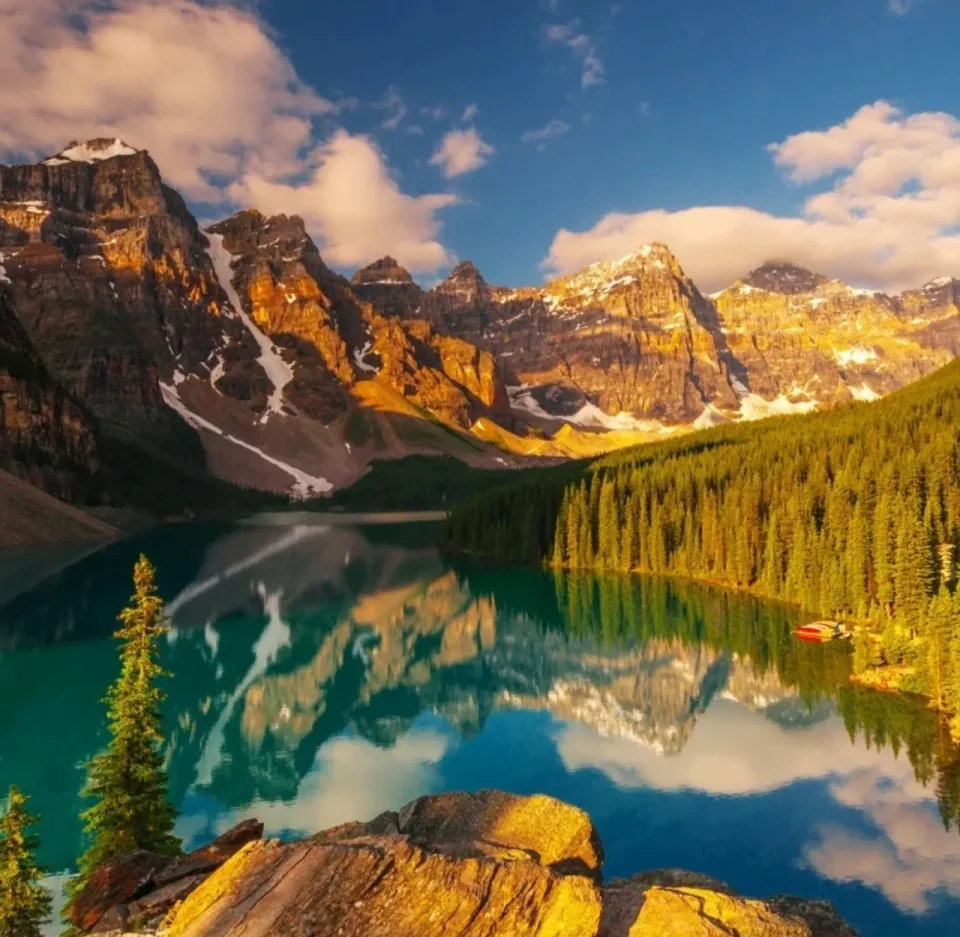
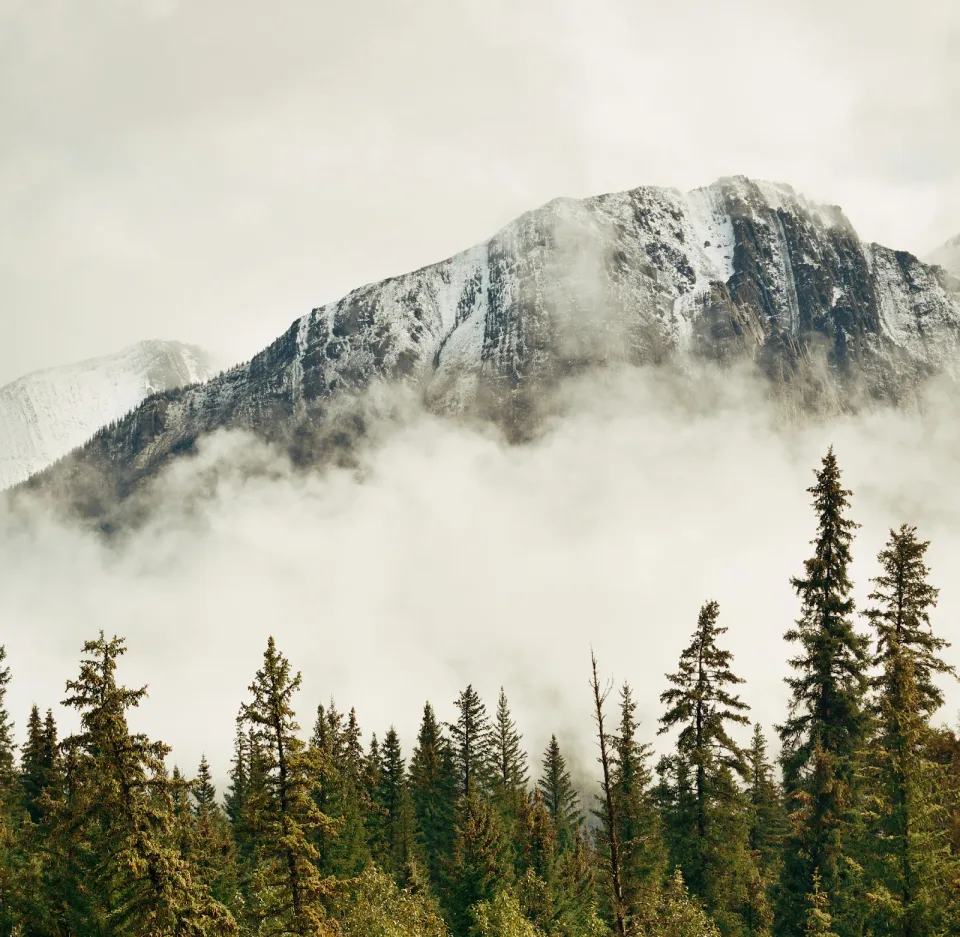
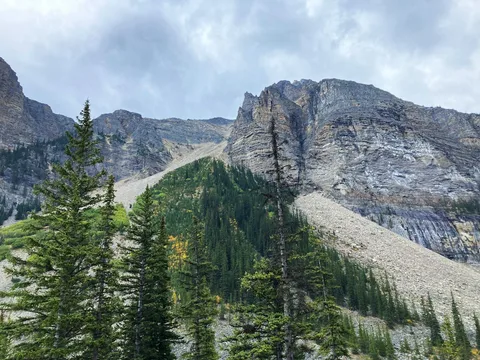
Vancouver’s Stanley Park puts forest trails and waterfront scenery within the city. Banff National Park takes you into the Rocky Mountains, where peaks frame glacial lakes. Around Lake Louise, forests and mountain views accompany the lakeshore landscape; this is a place to plan around current access and trail conditions.
In Québec City, the historic district has two distinct parts. Ramparts and a citadel defend the Upper Town, while the Lower Town grew around Place Royale and the harbour. Its buildings record both French and British colonial history. Montréal’s smoked meat and bagels offer a different introduction to the province.
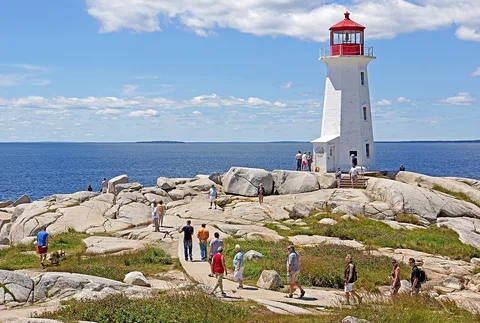
Water shapes other journeys too. In Ontario, tunnels at Journey Behind the Falls lead to viewpoints behind Horseshoe Falls. On Nova Scotia’s Atlantic coast, Peggy’s Cove has a working fishing harbour, granite shoreline and lighthouse, with marked viewing areas for enjoying the coastal setting.
When to visit
Canada's best season depends entirely on where you're going. For the Rockies, mid-June to mid-September offers warm days at 15-25°C with all hiking trails open. Lake Louise is at its most turquoise in July and August. For cities (Vancouver, Toronto, Montreal), May to October is the sweet spot at 18-30°C. September and October bring spectacular autumn foliage across Ontario and Quebec. Ski season in the Rockies and Whistler runs November to April with temperatures from -5 to -20°C. Winter in the cities is seriously cold: Toronto and Montreal can hit -25°C in January.
Things to see and do
Explore Stanley Park: Choose a forest walk or waterfront stretch in Vancouver. Check current closures and follow signed detours around any works.
See Lake Louise: Take in its mountain setting within Banff National Park, with access and any walks planned around current park advice.
Walk through Old Québec: Explore the Upper Town’s fortifications and the Lower Town around Place Royale.
Get a different view of Niagara: Journey Behind the Falls has tunnels and viewing portals behind Horseshoe Falls, plus an observation deck nearby.
Destination photographs, not photographs of a specific holiday deal. Images resized for display.
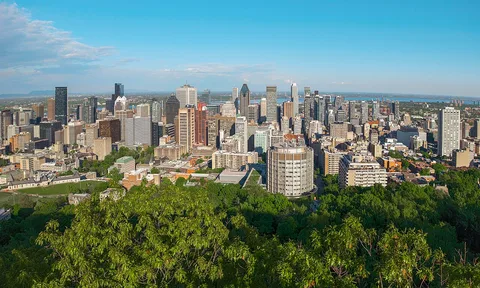
Photo by Quintin Soloviev on Wikimedia Commons, CC BY 4.0 (https://commons.wikimedia.org/wiki/File:Montreal,_Quebec_skyline.jpg)
Photo by Dennis G. Jarvis on Wikimedia Commons, CC BY-SA 2.0 (https://commons.wikimedia.org/wiki/File:Lighthouse_DSC01066_-_Peggy%27s_Cove_Lighthouse_%287612052968%29.jpg)
Photo by Arctic.gnome on Wikimedia Commons, CC BY 2.5 (https://commons.wikimedia.org/wiki/File:Parliament-Ottawa.jpg)
Long-term modelled averages for Vancouver, not a forecast or an average for all of Canada. Local conditions, elevation and coastlines can differ from the approximately 0.5° × 0.625° model grid. Precipitation includes rain and the water equivalent of snow. TripBuster calculated mean daily highs and mean monthly precipitation totals from NASA Langley Research Center’s POWER project (Daily API v2.10.0, MERRA-2; accessed 12 October 2026).
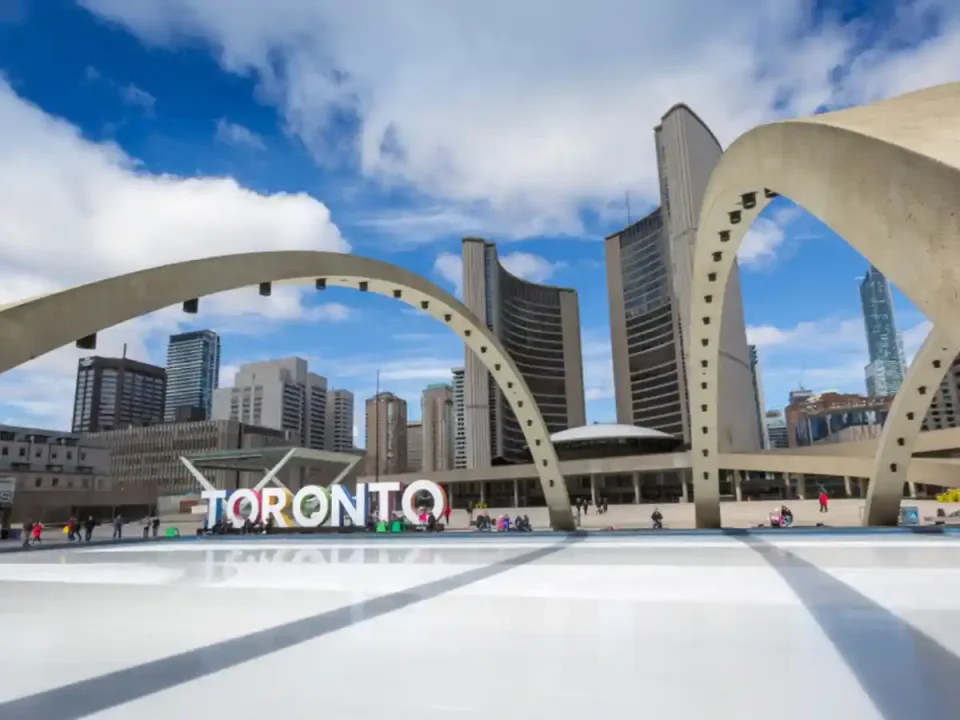
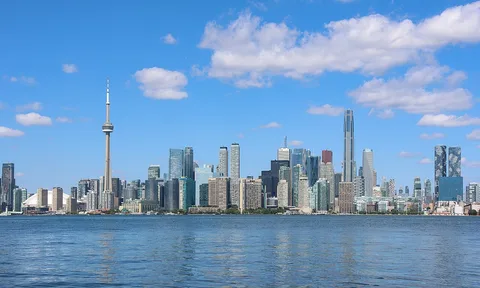
Photo by Dillan Payne on Wikimedia Commons, CC BY-SA 4.0 (https://commons.wikimedia.org/wiki/File:Toronto_Skyline_from_Snake_Island,_September_11_2026_%2801%29.jpg)
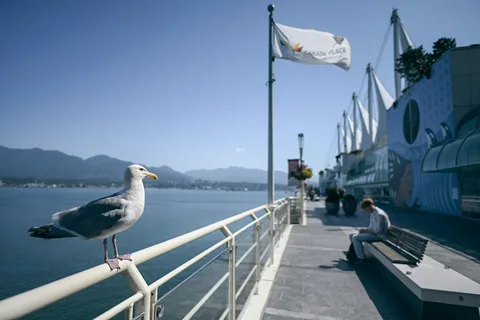
Photo by Gabriela on Unsplash (https://unsplash.com/photos/seagull-perched-on-railing-by-waterfront-buildings-x1Pkx6JqWs0)
Visit Peggy’s Cove: Look over the fishing village and lighthouse from the marked viewing areas. Stay well back from the water’s edge.
Getting there
Direct flights from London Heathrow to Toronto (7.5 hours), Vancouver (9.5 hours), Montreal (7 hours) and Calgary (8.5 hours, gateway to the Rockies) with British Airways, Air Canada and WestJet. Direct flights also operate from Manchester, Edinburgh and Glasgow to Toronto and occasionally Calgary in summer. Air Canada and WestJet connect the Canadian cities domestically in 1-5 hours. The Rocky Mountaineer train is the scenic alternative between Vancouver and Banff.
Food and drink
In Québec, poutine combines chips with cheese curds and gravy. Montréal is also associated with smoked meat served on rye bread and bagels boiled in honey water before baking in wood-fired ovens. Maple syrup, made by boiling down tree sap, is another regional speciality.
Nova Scotia’s coast brings lobster, scallops and seafood chowder to the menu. Halifax has its own donair: seasoned meat served in pitta with tomato, onion and a sweet sauce.
Practical information
Currency: Canadian Dollar (CAD). Languages: English and French (French dominant in Quebec). Time zones: Pacific (Vancouver) GMT-8, Mountain (Banff) GMT-7, Central (Winnipeg) GMT-6, Eastern (Toronto/Montreal) GMT-5, Atlantic (Halifax) GMT-4. Visa and entry: see Visa Advisory above. Plug type: Type A/B (US-style two-pin, adaptor needed). Tap water: Safe everywhere. Emergency number: 911. Driving: Right-hand side (opposite to UK). Tipping: 15-20% expected in restaurants. Note: very expensive for medical care — comprehensive travel insurance essential.
Destination highlights
Lake Louise and Moraine
The glacial lakes in Banff National Park really are that colour. Moraine Lake's Rockpile viewpoint is on every Canadian postcard for a reason.
Niagara Falls
The Canadian side has the better view of the Horseshoe Falls, and the Hornblower boat takes you straight into the spray at the base.
Rocky Mountaineer
The two-day glass-dome rail journey from Vancouver to Banff climbs through Hell's Gate, Kicking Horse Canyon and some of the wildest scenery on the continent.
Old Montreal
Cobblestoned streets, the Notre-Dame Basilica and French bistros give Montreal a European soul that the rest of North America can't match.
Stanley Park
A thousand acres of temperate rainforest on Vancouver's doorstep, wrapped by a seawall cycling path with the North Shore mountains on one side and the Pacific on the other.
Autumn in Quebec
From mid-September the maple forests of the Laurentians turn orange, scarlet and gold. Old Quebec City at the same time is the most European place in North America.
Planning your trip
Guide price band
££££
When to book
Book ahead (3-6 months)
Suggested trip length
10-14 nights, 14+ nights
Entry guidance
ETA required
UK passport holders need an Electronic Travel Authorization (eTA) for visa-exempt visits to Canada by air for stays up to 6 months. Apply online at canada.ca (cost CAD$7, most applications approved within minutes; valid for up to 5 years or passport expiry, whichever comes first). Passport must be valid for the duration of stay. The eTA is not required for entry by land or sea. Travellers must convince the border services officer they are eligible for entry on arrival. Effective May 2026 — check gov.uk/foreign-travel-advice/canada for current rules before booking.
Health information
No vaccinations required. Be up to date with routine UK vaccinations including tetanus. Tap water is excellent everywhere. Healthcare is excellent but very expensive without insurance — a hospital stay can cost thousands of dollars per day. Comprehensive travel insurance with full medical cover (minimum CAD$2 million recommended) is essential. Cold-weather gear essential in winter (down to -30°C in much of the country). Mosquitoes can be intense in summer in northern regions; West Nile virus and Lyme disease are present. Effective May 2026 — check fitfortravel.nhs.uk for any updates before travel.