Dubrovnik City Walls
Walking the two-kilometre medieval ramparts above the terracotta rooftops is the single experience that defines Dubrovnik. Go early or at sunset to avoid the cruise-ship crowds.
Walled towns, a thousand islands and Adriatic water the colour of a jewel.
Croatia's history is part of the streetscape, from the remains of Diocletian's palace in Split to Pula's Roman amphitheatre. Add Zagreb's squares or the lakes of Plitvice, then let regional cooking help shape the rest of your trip.
Check your chosen itinerary for the arrival airport and available flights.
Serves Pula
Monthly guide averages and suggested seasons. These are not a weather forecast; conditions vary within a destination.
| Month | Average high (°C) | Rainfall (mm) | Season |
|---|---|---|---|
| Jan | 10 | 85 | Low season |
| Feb | 11 | 70 | Low season |
| Mar | 14 | 75 | Low season |
| Apr | 18 | 75 | Shoulder season |
| May | 23 | 65 | Recommended |
| Jun | 27 | 45 | Recommended |
| Jul | 30 | 30 | Recommended |
| Aug | 30 | 55 | Recommended |
| Sep | 25 | 80 | Recommended |
| Oct | 20 | 110 | Shoulder season |
| Nov |
There are no current Croatia deals on TripBuster. An independent travel expert can help you explore dates, hotels and a budget that works for you.
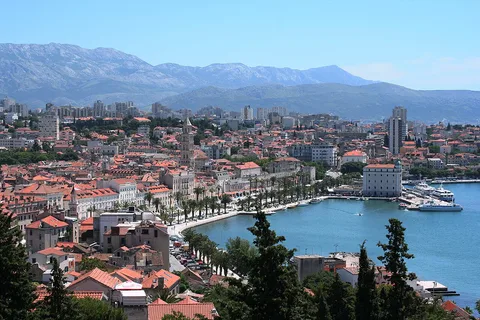
Over 1,000 Adriatic islands with yacht harbours, Venetian towns and some of Europe's clearest water
Explore Dalmatian IslandsPhoto by Tatyana Peshkova on Wikimedia Commons, CC BY-SA 4.0 (https://commons.wikimedia.org/wiki/File:Split_080620-133710-IMG_0968x.jpg)
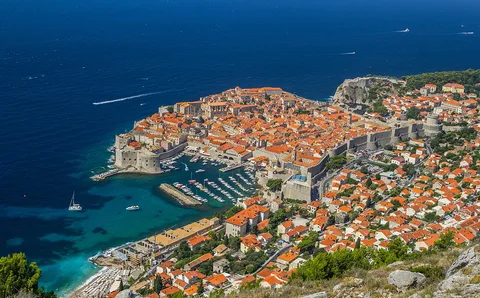
A medieval walled city so perfectly preserved Game of Thrones filmed King's Landing here
Explore Dubrovnik RivieraPhoto by Zysko serhii on Wikimedia Commons, CC BY-SA 4.0 (https://commons.wikimedia.org/wiki/File:The_walls_of_the_fortress_and_View_of_the_old_city._panorama.jpg)
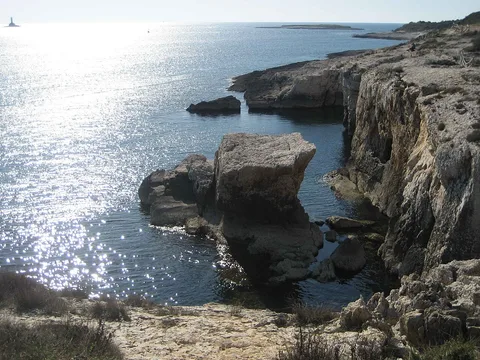
A Venetian harbour town, a Roman arena that still hosts concerts and truffles in the oak forests.
Explore IstriaPhoto by Croq on Wikimedia Commons, CC BY-SA 3.0 (https://commons.wikimedia.org/wiki/File:Rt_Kamenjak,_Croatia10.JPG)
On the Dalmatian coast, Split's historic centre incorporates the remains of Diocletian's palace, while Dubrovnik brings together churches, monasteries and palaces from different architectural periods. In Split, even the cathedral occupies a former imperial mausoleum.
Istria has a different combination of Roman heritage and food traditions. Pula's amphitheatre is a substantial reminder of its ancient past, and truffle dishes give the region a distinctive place on the menu. Inland, Zagreb mixes its historic Upper Town with the squares and green spaces of the Lower Town. Its Dolac market brings together seasonal produce from around Croatia.
For a change from cities, Plitvice Lakes National Park has a landscape of connected lakes, waterfalls and forest. Water depositing minerals has gradually created the natural barriers between the lakes. Check the park's current access information before planning a visit and use its marked visitor routes.
Croatia's season is concentrated but increasingly stretching:
May to June: The sweet spot. Temperatures of 22-28°C, the sea warms up through June, the islands are green, and the cruise ships have not yet arrived in force. Excellent for active holidays and island hopping.
July to August: Peak season. Hot (30-35°C), busy and more expensive. Dubrovnik's old town can feel overwhelmed. Hvar's nightlife peaks. The sea is warm (24-26°C) and perfect for swimming. Book well ahead.
September to October: Arguably the best time. Still warm (24-28°C in September), the sea is at its warmest, crowds thin dramatically and prices drop. October works for the southern coast but can be hit and miss further north.
November to April: Most coastal businesses close. Dubrovnik and Split are atmospheric but quiet in winter. Zagreb makes a good winter city break.
Destination photographs, not photographs of a specific holiday deal. Images resized for display.
| 15 |
| 110 |
| Low season |
| Dec | 11 | 100 | Low season |
|---|
Roman ruins, island ferries and Dalmatian coast energy
Explore Split & Central DalmatiaPhoto by Tatyana Peshkova on Wikimedia Commons, CC BY-SA 4.0 (https://commons.wikimedia.org/wiki/File:Split_080620-133710-IMG_0968x.jpg)
Croatia has four coastal airports served from the UK:
Dubrovnik (DBV): 2 hours 40 minutes from London. Direct summer flights from Gatwick, Stansted, Manchester, Birmingham, Bristol, Edinburgh, Glasgow, Newcastle, East Midlands and Leeds Bradford with easyJet, Jet2, TUI, Ryanair and BA.
Split (SPU): 2 hours 40 minutes from London. Direct flights from Gatwick, Stansted, Luton, Manchester, Birmingham, Bristol, Edinburgh, Glasgow and Belfast with easyJet, Jet2, BA, Ryanair, Wizz Air and TUI.
Pula (PUL): 2 hours 20 minutes from London. Seasonal flights from Gatwick, Stansted, Manchester and East Midlands with easyJet, Jet2 and Ryanair. Gateway to Istria.
Zadar (ZAD): 2 hours 30 minutes from London. Seasonal flights from Stansted with Ryanair. Gateway to the Kornati Islands and northern Dalmatia.
Most flights operate from May to October, with limited winter services to Dubrovnik and Split.
Croatian menus change noticeably between the coast and inland regions. Along the Adriatic, look for grilled fish, seafood stews and vegetables dressed with olive oil. Pašticada offers a richer alternative: beef braised with ingredients such as dried fruit and red wine, often served with gnocchi.
In Istria, truffles appear with fuži and pljukanci pasta or in egg dishes. Northern Croatia has its own comfort food in štrukli, a filled dough dish that can be boiled or baked and is often made with soft cheese. Further east, Slavonia's cooking makes more use of paprika, pork and river fish. These differences are a useful reason to ask about regional dishes instead of ordering the same meal throughout your holiday.
Currency: Euro (€) since January 2023. UK cards widely accepted in tourist areas.
Language: Croatian. English is widely spoken in tourist areas, particularly by younger Croatians.
Time zone: GMT+1 (1 hour ahead of the UK, same during BST).
Visa and entry: see Visa Advisory above.
Plug type: Type F (European two-pin round). Bring a travel adaptor.
Tap water: Safe to drink throughout Croatia.
Emergency number: 112.
GHIC: valid for emergency state-provided medical treatment in public facilities. Travel insurance still recommended for full cover. Medical facilities are good in the main towns.
Walking the two-kilometre medieval ramparts above the terracotta rooftops is the single experience that defines Dubrovnik. Go early or at sunset to avoid the cruise-ship crowds.
Catamarans thread between Hvar, Brac and Vis, with swim stops in sea caves and coves only reachable by boat. Hvar Town's harbour at dusk is one of the great Adriatic sights.
A 1,700-year-old Roman emperor's palace in Split that's still the living heart of the city. Bars, cafes and apartments operate inside the original walls and corridors.
The distinctive white-pebble spit jutting into the Adriatic that shifts shape with every current. Brac's most photographed beach and a good windsurfing base.
Sixteen turquoise lakes connected by a chain of waterfalls, wooden boardwalks and forested paths. A UNESCO national park that's two hours inland from Zadar.
Order peka (meat or octopus slow-cooked under a bell-shaped lid) hours in advance at a konoba. Crni rizot, made with cuttlefish ink, is the other Dalmatian classic.
Not required
UK passport holders can visit Croatia visa-free under Schengen rules: up to 90 days within any 180-day period for tourism or business (Croatia joined the Schengen Area on 1 January 2023). Passport must be valid for at least 3 months beyond planned departure and issued within the last 10 years. The EU Entry/Exit System (EES) has been in operation since 10 April 2026 — expect biometric registration on first entry. From Q4 2026 (October to December), UK travellers will also need to apply for an ETIAS travel authorisation in advance (€20, free for under 18s and over 70s), valid for up to 3 years. Effective May 2026 — check gov.uk/foreign-travel-advice/croatia for current rules before booking.
No vaccinations required. Be up to date with routine UK vaccinations including tetanus. UK GHIC card valid for emergency state-provided medical treatment. Tap water is safe in Zagreb and the main coast. Healthcare is good. Tick-borne encephalitis present in forested areas — vaccination considered for hikers from late spring to autumn. Strong sun on the Adriatic coast (Jul-Aug 30°C+) — sun protection essential. Standard travel insurance recommended. Effective May 2026 — check fitfortravel.nhs.uk for any updates before travel.
Entry and health requirements can change. Check current official travel advice (opens in a new tab) for your passport and circumstances.
Confirm dates and arrangements before making travel plans.
Six weeks of open-air classical concerts, Shakespeare productions and ballet performances staged in the courtyards and fortresses of the old town.
Split's Poljud Stadium hosts three days of electronic music that draws 150,000 ravers and turns nearby Hvar into a nonstop after-party.