Blue Lagoon
The milky-blue geothermal spa sits in a black lava field between Keflavik Airport and Reykjavik. Book the silica mud mask and swim-up bar. A natural first or last stop on every trip.
Volcanoes, glacial lagoons and auroras dancing above a lunar landscape.
Gullfoss falls into a canyon, while Strokkur sends hot water into the air. Between Iceland’s outdoor sights, Reykjavík adds the sculptural shape of Hallgrímskirkja and the glass façade of Harpa at the old harbour.
Monthly guide averages and suggested seasons. These are not a weather forecast; conditions vary within a destination.
| Month | Average high (°C) | Rainfall (mm) | Season |
|---|---|---|---|
| Jan | 3 | 75 | Recommended |
| Feb | 3 | 70 | Recommended |
| Mar | 4 | 75 | Shoulder season |
| Apr | 7 | 55 | Shoulder season |
| May | 10 | 45 | Recommended |
| Jun | 13 | 50 | Recommended |
| Jul | 14 | 55 | Recommended |
| Aug | 14 | 60 | Recommended |
| Sep | 11 | 80 | Recommended |
| Oct | 7 | 95 | Recommended |
| Nov | 4 | 75 | Recommended |
| Dec | 2 | 85 | Recommended |
There are no current Iceland deals on TripBuster. An independent travel expert can help you explore dates, hotels and a budget that works for you.
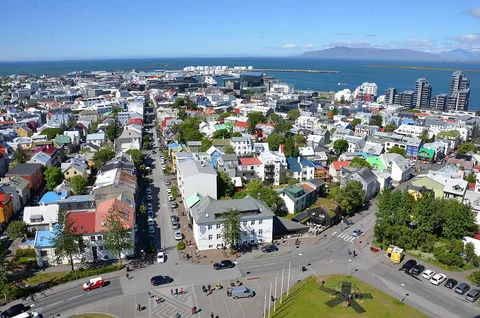
Geysers, the Blue Lagoon and Northern Lights from Europe's coolest small capital
Explore Reykjavik & the Golden CirclePhoto by Olga Ernst on Wikimedia Commons, CC BY-SA 4.0 (https://commons.wikimedia.org/wiki/File:Reykjav%C3%ADk,_view_from_Hallgr%C3%ADmskirkja_%282%29.jpg)
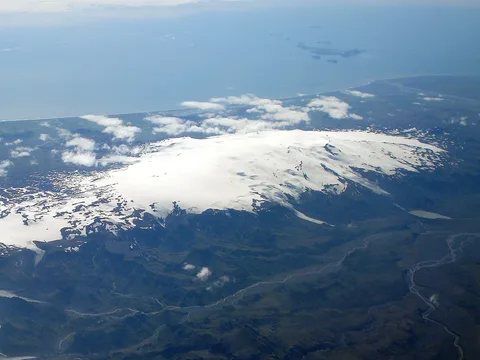
Iceland's signature drive - waterfalls you can walk behind, basalt-column beaches, and icebergs floating to the Atlantic.
Explore South Coast & Glacier LagoonPhoto by TommyBee on Wikimedia Commons, Public domain (https://commons.wikimedia.org/wiki/File:%C3%9E%C3%B3rsm%C3%B6rk_Eyjafjallaj%C3%B6kull_1_Iceland_%28cropped%29.jpg)
The Golden Circle brings together three different sides of Iceland. At Þingvellir, visible rifts share the landscape with the site of the country’s historic assembly. Gullfoss sends water into a canyon, while the Geysir area reveals geothermal activity through hot springs and the erupting Strokkur geyser.
In Reykjavík, Hallgrímskirkja draws on natural forms for its architecture. Harpa takes a different approach at the old harbour, with a glass façade facing the bay and concerts inside. Hallgrímskirkja remains a working church, with panoramic views from its tower.
Along the South Coast, Skógafoss falls from a cliff that once marked the coastline. Akureyri offers another perspective in the north: its botanic garden grows Icelandic and introduced plants in the shelter of Eyjafjord. Trees, shrubs and perennials make this a cultivated contrast to the Golden Circle’s geological sites.
June to August is summer at 10-15°C with near-constant daylight (the midnight sun). Roads are open, whale watching is at its best and the highland interior is accessible. September to March brings the Northern Lights, shorter days and dramatic winter conditions at -5 to 5°C. Ice cave tours inside glaciers run November to March. The Blue Lagoon operates year-round. Weather is unpredictable in every season; layers and waterproofs are essential regardless of when you visit.
Destination photographs, not photographs of a specific holiday deal. Images resized for display.
Direct flights from London (Heathrow, Gatwick, Luton, Stansted), Manchester, Birmingham, Edinburgh and Glasgow to Keflavik Airport (KEF) with Icelandair, easyJet, PLAY and Wizz Air, taking approximately 3 hours. Keflavik is 50 minutes from Reykjavik by Flybus or car. The Blue Lagoon sits between the airport and the city, making it a natural first or last stop. No rail network in Iceland; self-driving or guided tours are the main options.
Lamb appears in stews, roasts and smoked dishes, while plokkfiskur combines cooked fish and potatoes in a creamy sauce. Try it with rúgbrauð, a dense rye bread with a little sweetness. Harðfiskur is dried fish, often eaten with butter.
For something sweet, skyr has a thick, creamy texture and is served with berries or used in desserts. Kleinur, the country’s small doughnuts, make another option with coffee.
Currency: Icelandic Krona (ISK). Language: Icelandic (English spoken fluently by virtually everyone). Time zone: GMT (same as UK in winter, 1 hour behind in summer as Iceland doesn't observe daylight saving). Visa and entry: see Visa Advisory above. Plug type: Type C/F (European two-pin). Tap water: Excellent, some of the purest in the world (hot water has a sulphur smell from geothermal heating but is safe). Emergency number: 112. Driving: Right-hand side. Tipping: Not expected. GHIC: valid for emergency state-provided medical treatment (Iceland is in the EEA). Important: Iceland is expensive. Budget accordingly.
The milky-blue geothermal spa sits in a black lava field between Keflavik Airport and Reykjavik. Book the silica mud mask and swim-up bar. A natural first or last stop on every trip.
The three-stop loop from Reykjavik: Thingvellir where the tectonic plates are pulling apart, Geysir that gave its name to every hot spring on earth, and Gullfoss thundering in a double-tier canyon.
From September to March the aurora borealis dances across clear cold nights. Best viewed away from Reykjavik's glow on a guided tour or a self-drive night from a south-coast guesthouse.
Icebergs calve off the Breidamerkurjokull glacier into a still lagoon, then wash up on the black sand of Diamond Beach. One of the most photographed scenes in the country.
Seljalandsfoss has a path running behind the 60-metre curtain of water. Skogafoss tumbles over a sheer cliff with a rainbow on sunny days. Both sit on the road to Vik.
Basalt columns, sea stacks and the most powerful Atlantic sneaker waves on the south coast. Stay well back from the water line. Puffins nest on the cliffs above.
Not required
UK passport holders can visit Iceland visa-free under Schengen rules: up to 90 days within any 180-day period for tourism or business. Iceland is a Schengen member but not in the EU. Passport must be valid for at least 3 months beyond planned departure and issued within the last 10 years. The EU Entry/Exit System (EES) has been in operation since 10 April 2026 — expect biometric registration on first entry. From Q4 2026 (October to December), UK travellers will also need to apply for an ETIAS travel authorisation in advance (€20, free for under 18s and over 70s), valid for up to 3 years. Effective May 2026 — check gov.uk/foreign-travel-advice/iceland for current rules before booking.
No vaccinations required. Be up to date with routine UK vaccinations including tetanus. UK GHIC card valid for emergency state-provided medical treatment. Tap water is excellent everywhere (often regarded as among the world's best). Healthcare is excellent. Standard travel insurance recommended (with cover for outdoor activities such as glacier walking, hiking and 4x4 highland tours). Volcanic and weather conditions can change rapidly — check road and weather conditions daily on safetravel.is. Effective May 2026 — check fitfortravel.nhs.uk for any updates before travel.
Entry and health requirements can change. Check current official travel advice (opens in a new tab) for your passport and circumstances.
Confirm dates and arrangements before making travel plans.
The midwinter Viking feast, when Icelanders gather to eat fermented shark, smoked lamb, pickled ram's testicles and rye bread, washed down with Brennivin schnapps.
Menningarnott fills the capital with free music, art exhibitions, open studios and street performances on a single Saturday, ending with fireworks over the harbour.
The annual music festival takes over Reykjavik's bars, theatres and concert halls for five days, showcasing Icelandic and international indie, electronic and experimental acts.