Kansai International Airport
A gateway to consider
A gateway for Osaka and the Kansai region. Tokoname accommodation uses the Chubu Centrair area instead.
- Confirm the airport on your flight booking
- Check whether hotel or port transfers are included
Distinctive cities, regional food and scenic rail journeys.
Japan offers major-city sightseeing alongside historic towns, mountain stays and regional food. Osaka suits food and urban exploring, while Nagano provides a different inland experience. Airport-area accommodation in Tokoname is convenient for Chubu Centrair but is not a central Nagoya city stay.
A gateway to consider
A gateway for Osaka and the Kansai region. Tokoname accommodation uses the Chubu Centrair area instead.
Average daytime highs · °C
Tokyo (modelled reference) · 1991–2020
Japan offers major-city sightseeing alongside historic towns, mountain stays and regional food.

From £1,839 per person
Seller's advertised starting price. Confirm dates, party and inclusions.
Offered by Athena Beach Holidays


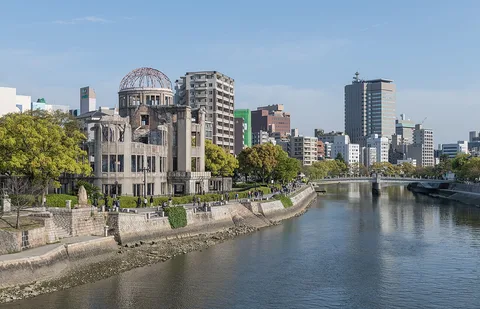
A peace memorial that changes you, a floating torii gate and the world's best layered okonomiyaki.
Explore Hiroshima & MiyajimaPhoto by DXR on Wikimedia Commons, CC BY-SA 4.0 (https://commons.wikimedia.org/wiki/File:Atomic_Bomb_Dome_and_Motoyaso_River,_Hiroshima,_Northwest_view_20190417_1.jpg)

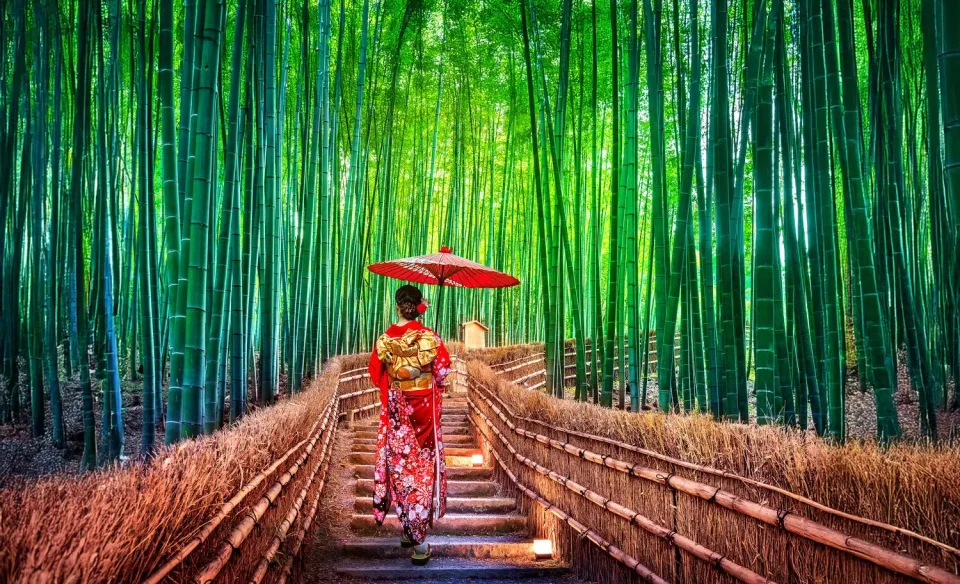
Ten thousand vermilion gates up a mountain, a bamboo grove that creaks and Osaka neon in a canal.
Explore Kyoto & OsakaPhoto by Nina R on Wikimedia Commons, CC BY 2.0 (https://commons.wikimedia.org/wiki/File:Kyoto,_Japan_%2849667780482%29.jpg)

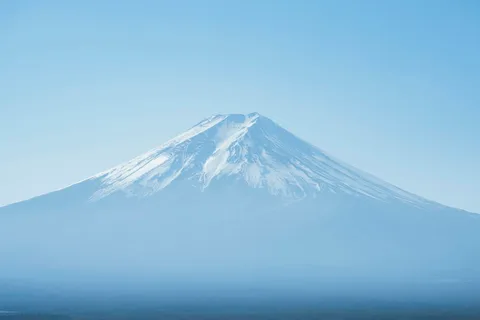
Sacred volcano, alpine villages and onsen towns in Japan's mountain heartland
Explore Mount Fuji & the Japanese AlpsPhoto by Peter Thomas on Unsplash (https://unsplash.com/photos/snow-capped-mount-fuji-under-a-clear-blue-sky-wSXgc0-OOtE)
Plan the route before choosing a rail pass. Individual tickets can suit some itineraries, and not all trains or private lines are covered by every pass. Allow time for station changes and confirm luggage arrangements on longer journeys.
Seasons shape the experience: summers can be hot and humid, winters vary greatly by region, and popular blossom or autumn-leaf periods are busy. Neither flowering dates nor wildlife encounters can be guaranteed.
For a multi-centre trip, compare the actual hotel locations and the number of full days in each place. Check current entry requirements and local etiquette, and leave time for neighbourhood visits between major attractions.
Tokyo is a collection of neighbourhoods that reward different interests. Asakusa centres on Sensoji and the shops of Nakamise, while Shibuya is a place for fashion and shopping. Shinjuku brings high-rise buildings and smaller back streets into the same city landscape. You can give each area proper attention without treating Tokyo as one long sightseeing circuit.
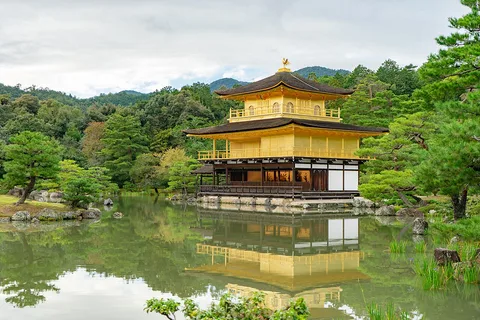
Kyoto offers another rhythm, with temples and gardens alongside traditional wooden machiya townhouses that remain part of everyday life. Nearby Uji puts tea at the centre of a visit, with shops along Byodoin Omotesando and the Phoenix Hall of Byodoin Temple beside the town’s river setting.
For craft and design, Kanazawa brings Kenrokuen Garden, the old earthen walls of Nagamachi and shops selling lacquerware and ceramics. Osaka has its own pull, particularly around the lights of Dotonbori and dishes such as takoyaki.
Japan has four distinct seasons. Spring (March to May) is cherry blossom season (sakura, typically late March to mid-April) and the peak tourist period. Summer (June to August) is hot and humid (28-35C), with a rainy season (tsuyu) in June. Autumn (September to November) has spectacular foliage (koyo) and comfortable temperatures (15-25C). Winter (December to February) is cold in Tokyo (2-10C), snowy in the north and mountains, and the best season for hot springs (onsen) and skiing.
Destination photographs, not photographs of a specific holiday deal. Images resized for display.
Long-term modelled averages for Tokyo, not a forecast or an average for all of Japan. Local conditions, elevation and coastlines can differ from the approximately 0.5° × 0.625° model grid. Precipitation includes rain and the water equivalent of snow. TripBuster calculated mean daily highs and mean monthly precipitation totals from NASA Langley Research Center’s POWER project (Daily API v2.10.0, MERRA-2; accessed 12 October 2026).
| Month | Daytime high (°C) | Precipitation (mm) |
|---|---|---|
| Jan | 9.2 | 75.8 |
| Feb | 10 | 70.1 |
| Mar | 13.3 | 131 |
| Apr | 18.3 | 133.9 |
| May | 22.7 | 145.5 |
| Jun | 25.7 | 181.6 |
| Jul | 29.4 | 160.6 |
| Aug | 30.9 | 123.2 |
| Sep | 27.4 | 208.8 |
| Oct | 22.1 | 223.4 |
| Nov | 16.9 | 110.5 |
| Dec | 11.7 | 70.4 |
Source: NASA POWER / MERRA-2 (opens in a new tab), Tokyo (modelled reference), 1991–2020.

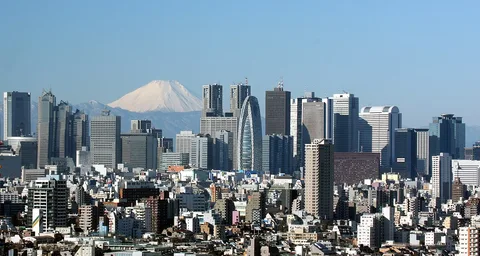
More Michelin stars than any city on earth and an endless run of neighbourhoods
Explore TokyoPhoto by Morio on Wikimedia Commons, CC BY-SA 3.0 (https://commons.wikimedia.org/wiki/File:Skyscrapers_of_Shinjuku_2009_January.jpg)
Tokyo Haneda Airport (HND): 11.5 hours from London. Direct with BA, JAL, ANA, Virgin Atlantic. 30-45 min from central Tokyo by monorail or train.
Tokyo Narita Airport (NRT): further from the city (60-90 min) but used by some carriers.
Osaka Kansai Airport (KIX): the gateway for Kyoto, Osaka and western Japan. Some direct flights from London. 75 min from Kyoto by Haruka Express train.
The bullet train (shinkansen) connects Tokyo to Kyoto in 2 hours 15 minutes, to Osaka in 2 hours 30 minutes, and to Hiroshima in 4 hours. The Japan Rail Pass (7, 14 or 21 days) covers unlimited travel.
Food can shape the route as much as the sights. In Osaka, takoyaki are batter balls with pieces of octopus, while okonomiyaki is a savoury pancake made with cabbage and a choice of other ingredients. Both offer an introduction to the city’s cooking.
Kanazawa is a place to look for seafood from the Sea of Japan, as well as craft shops between meals. In Tokyo’s Asakusa, Nakamise sells snacks such as dorayaki and mochi. Uji offers a more tea-focused stop: green tea appears in drinks, desserts and even noodles along Byodoin Omotesando. At Sabo Toka, the temple tea room, the menu includes matcha and sencha.
Currency: Japanese Yen (JPY). Japan is still largely cash-based. UK cards accepted in hotels and department stores. Carry cash for restaurants, transport and smaller shops. 7-Eleven ATMs accept foreign cards.
Language: Japanese. English signage is widespread but spoken English is limited outside tourist areas. Translation apps are essential.
Time zone: GMT+9. 9 hours ahead of the UK.
Visa and entry: see Visa Advisory above.
Plug type: Type A (US-style flat two-pin). Bring a US adaptor. Voltage is 100V.
Water: Tap water is safe and excellent.
Tipping: Do not tip. Tipping is considered rude in Japan. Service charges are included.
Transport: The Japan Rail Pass is essential for multi-city trips. Trains run to the second. IC cards (Suica, Pasmo) for metro and convenience-store purchases.
Emergency number: 110 (police), 119 (ambulance/fire).
Ten thousand vermilion torii gates march up the wooded slopes of Mount Inari in Kyoto, each donated by a business seeking favour from the Shinto rice god. Go at dawn for empty paths.
The scramble crossing outside Tokyo's Shibuya Station sends 3,000 people in every direction at once on each green light. View it from above at the Mag's Park rooftop or the Starbucks window.
Late March to mid-April brings sakura, when pink petals fall like snow over Ueno Park, Meguro River and Kyoto's Philosopher's Path. The whole country picnics under the trees.
Tokyo to Kyoto in two hours fifteen minutes on the Nozomi at 285 kilometres an hour. Clean, punctual to the second, and with a bento box trolley rolling down the aisle.
The outer market of Tokyo's former tuna auction still serves the city's best sushi breakfast, tamago (omelette on a stick) and fresh seafood at counter stalls from 5am.
A traditional hot-spring bath in a ryokan inn at Hakone or Kawaguchiko, soaking in 40-degree mineral water while Mount Fuji rises across the valley. The essential Japan moment.
Not required
UK passport holders can visit Japan visa-free for stays up to 90 days. Passport must be valid for the duration of stay. Proof of onward travel and accommodation may be requested. From November 2025, all foreign visitors complete the Visit Japan Web online before arrival (immigration, customs and tax-free shopping declarations — free, mandatory). Japan plans to introduce its own electronic travel authorisation (JESTA) system by 2030 — not currently in force. Effective May 2026 — check gov.uk/foreign-travel-advice/japan for current rules before booking.
No mandatory vaccinations. Be up to date with routine UK vaccinations including tetanus. Tap water is excellent everywhere. Healthcare is excellent but very expensive without insurance — medical procedures can cost significantly more than in the UK. Many doctors speak English in major cities but rural healthcare may be Japanese-only. Strong sun and humidity in summer (Jul-Aug 35°C+ with high humidity); cold and dry in winter with snow in the north and mountains. Comprehensive travel insurance with full medical cover (minimum £500,000) essential. Effective May 2026 — check fitfortravel.nhs.uk for any updates before travel.
Entry and health requirements can change. Check current official travel advice (opens in a new tab) for your passport and circumstances.
Confirm dates and arrangements before making travel plans.
Sakura begins in Kyushu in late March and moves north to Hokkaido by early May. Hanami picnics fill every park beneath blooming trees for the two-week bloom in each region.
Kyoto's thousand-year-old summer festival spans the whole of July, peaking with the Yamaboko Junko parade of wooden floats on 17 and 24 July.
Japanese maples turn scarlet and gold through November, with Kyoto's Arashiyama and Tofukuji temples among the most celebrated viewing sites in the country.
Urayasu, Chiba (Tokyo Bay area)
Two parks including the only DisneySea in the world
Resort Complex
Tokyo Disney Resort is Asia's most successful theme park and, for many, the best Disney destination in the world. It has two parks: Tokyo Disneyland, the classic castle park similar in feel to Magic Kingdom but with unique attractions, and Tokyo DisneySea, the only DisneySea in the world, arranged around nautical-themed ports rather than lands. There are also four Disney-owned hotels and partner hotels in the Tokyo Bay area, 30 to 40 minutes from central Tokyo by train, and it draws around 27 million visitors a year. The June 2024 opening of Fantasy Springs at DisneySea, the biggest expansion in that park's history with Frozen, Tangled and Peter Pan areas, has driven international interest. For UK customers this is increasingly part of premium Japan itineraries.
A single-park one-day passport is cheaper on weekdays than at weekends and on holidays, with children aged 4 to 11 around 40 per cent cheaper and under-4s free. Two-day passports are available. Tickets go on sale on the official website about two months ahead at 2pm Japan time and popular dates sell out fast, and UK visitors typically use Klook for English-language booking. Tickets are park-specific, so you choose Tokyo Disneyland or DisneySea for each day. Prices change often, so check the official site for live figures.
Tokyo Disney Resort is operated by the Oriental Land Company under licence from Disney, so it is the only Disney resort not owned by Disney, which is why some things feel different from Florida or Paris. Tokyo DisneySea is unique in the world and is consistently ranked among the best theme parks anywhere. Fantasy Springs, which opened in June 2024, can now be entered freely, though its rides still need a free Standby Pass or paid Premier Access. Try to avoid Golden Week (late April to early May) and the September holidays, when crowds are extreme. Tickets go on sale about two months ahead at 2pm Japan time and popular dates sell out, so set an alarm. Park reservations are not required. UK visitors should buy through Klook for English-language support, and it is worth carrying yen as cash is still widely used.