Get to know Kenya
Choose a few contrasting places when planning a Kenyan holiday. Nairobi National Park brings open plains and river habitats close to the city, with a rhino sanctuary among its conservation features. Nairobi National Museum provides a different perspective, with displays on early humans, wildlife and the country’s history, including the struggle for independence.
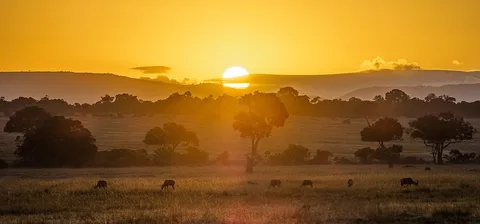
At Amboseli, open grassland, acacia woodland and wetlands support elephant herds and birdlife. Kilimanjaro forms the backdrop, though a visit should not depend on a particular view or sighting. Lake Nakuru adds an alkaline lake landscape and the birdlife of the Great Rift Valley to the choice of places to explore.
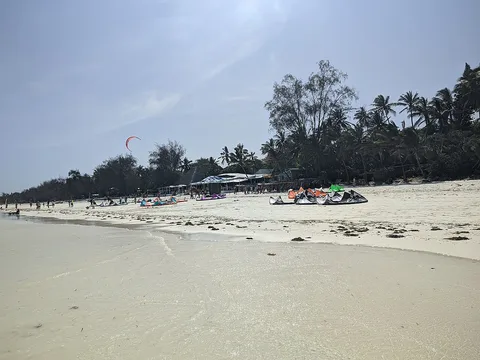
On the coast, Fort Jesus in Mombasa tells a story of fortification and competition for Indian Ocean trade. Its walls and bastions make a contrast with time spent watching wildlife. Check current FCDO regional advice before choosing routes: it advises against travel to specified parts of Kenya. In the parks, follow ranger instructions and give animals space.
When to visit
Kenya has two wet seasons: the long rains (March to May) and the short rains (October to December). The dry seasons (January to February and June to October) are the best for safari. The Great Migration Mara River crossings are typically July to October. The coast is warm year-round (25-32C). Nairobi, at 1,700m altitude, is cooler (15-25C). The Masai Mara is mild (15-28C year-round).
Things to see and do
Explore Nairobi National Park: Look for wildlife across the plains and river habitats, remaining in your vehicle except in designated areas.
Visit Nairobi National Museum: Spend time with the displays on early humans, mammals and Kenyan history.
Choose an Amboseli safari: Explore the contrast between grassland, acacia woodland and wetlands while watching for elephants and birds.
Include Lake Nakuru: Make its alkaline lake landscape and birdlife a focus, without relying on a particular flock being present.